

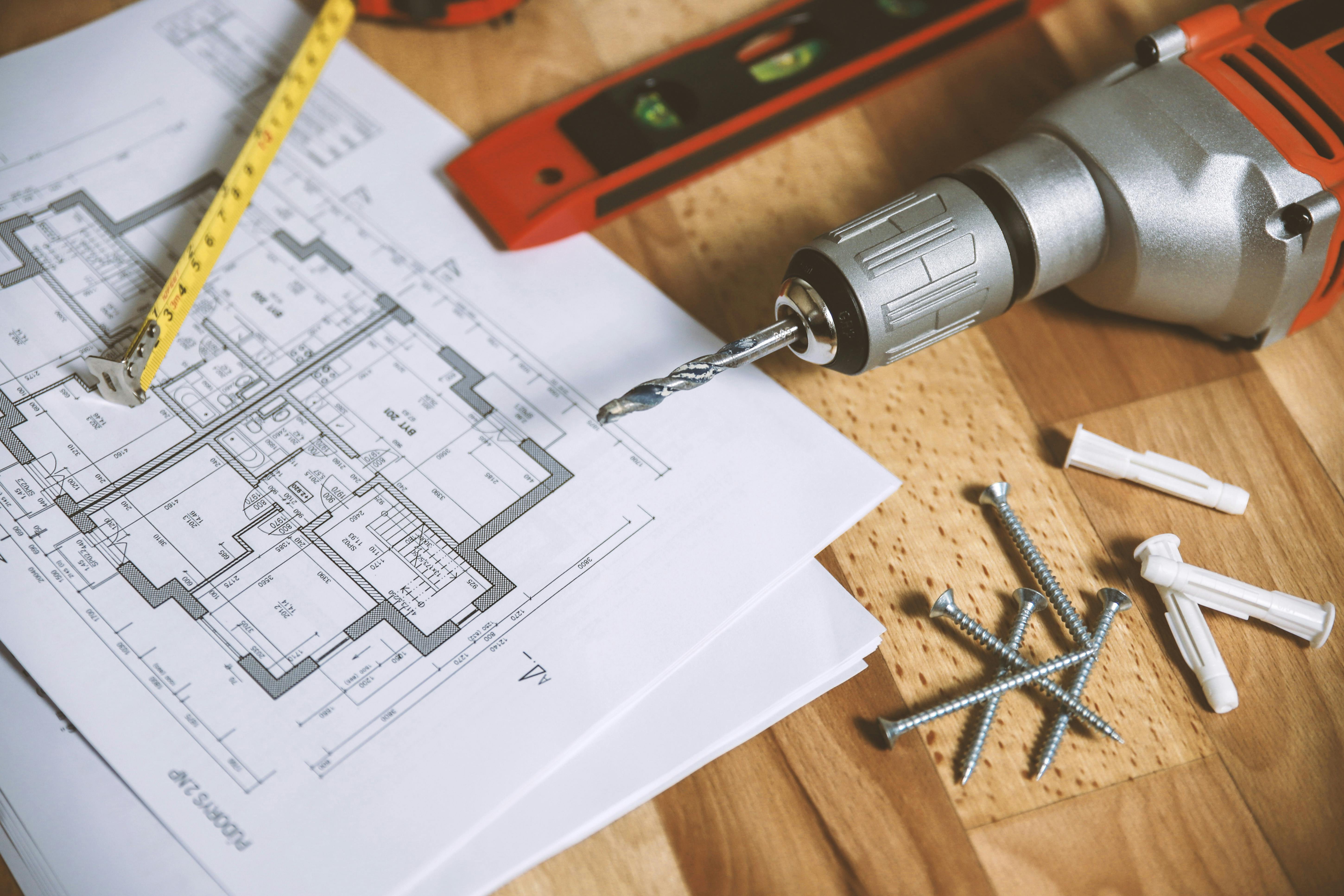
In ancient times, the body ruled when it came to measuring. The length of a foot, the width of a finger, and the distance of a step were all accepted measurements.
At first an inch was the width of a man's thumb. In the 14th century, King Edward I of England ruled that 1 inch equalled 3 grains of barley placed end to end lengthwise.
A hand was approximately 5 inches or 5 digits (fingers) across. Today, a hand is 4 inches and is used to measure horses (from the ground to the horse's withers, or shoulder).
A span was the length of the hand stretched out, about 9 inches.
In ancient times, the foot was 11 1/42 inches. Today, it is 12 inches, the length of the average man's foot.
A yard was originally the length of a man's belt or girdle, as it was called. In the 12th century, King Henry 1 of England fixed the yard as the distance from his nose to the thumb of his out-streched arm. Today, it is 36 inches.
In ancient Egypt, a cubit was the distance from the elbow to the fingertips. Today, a cubit is about 18 inches.
A lick was used by the Greeks to measure the distance from the tip of the thumb to the tip of the index finger.
Mass and weight are two different measurements.
Mass measures the amount of matter in an object (anything you can physically touch). Basically, mass is a measurementofthe numberofatomsinanobject. Mass is typically measured in kilograms orgrams.
Weight measures the force of gravity pulling on an object. In the United States, weight is measured in pounds. In other countries, it is measured in kilograms, just like mass.
A major difference between mass and weight is that your mass is always the same, but your weight can change depending on your location.
For example, the moon has much less gravity than Earth. Since weight is the force of gravity pulling on an object, items weigh much less on the moon than they do on Earth. If you weigh 80 pounds (36 kilograms) here on planet Earth, you will weigh closer to 13 pounds (six kilograms) on the moon. That's a big difference!
We use time to order events in the past, present and future. We also use it to make comparisons and measure the speed at which things move.
A sundial is a tool that uses the position of the Sun to measure time, typically involving a shadow cast across a marked surface.
The use of pendulums to accurately measure time was discovered by Galileo Galilei around 400 years ago. A pendulum is a free swinging weight hanging from a pivot.


